
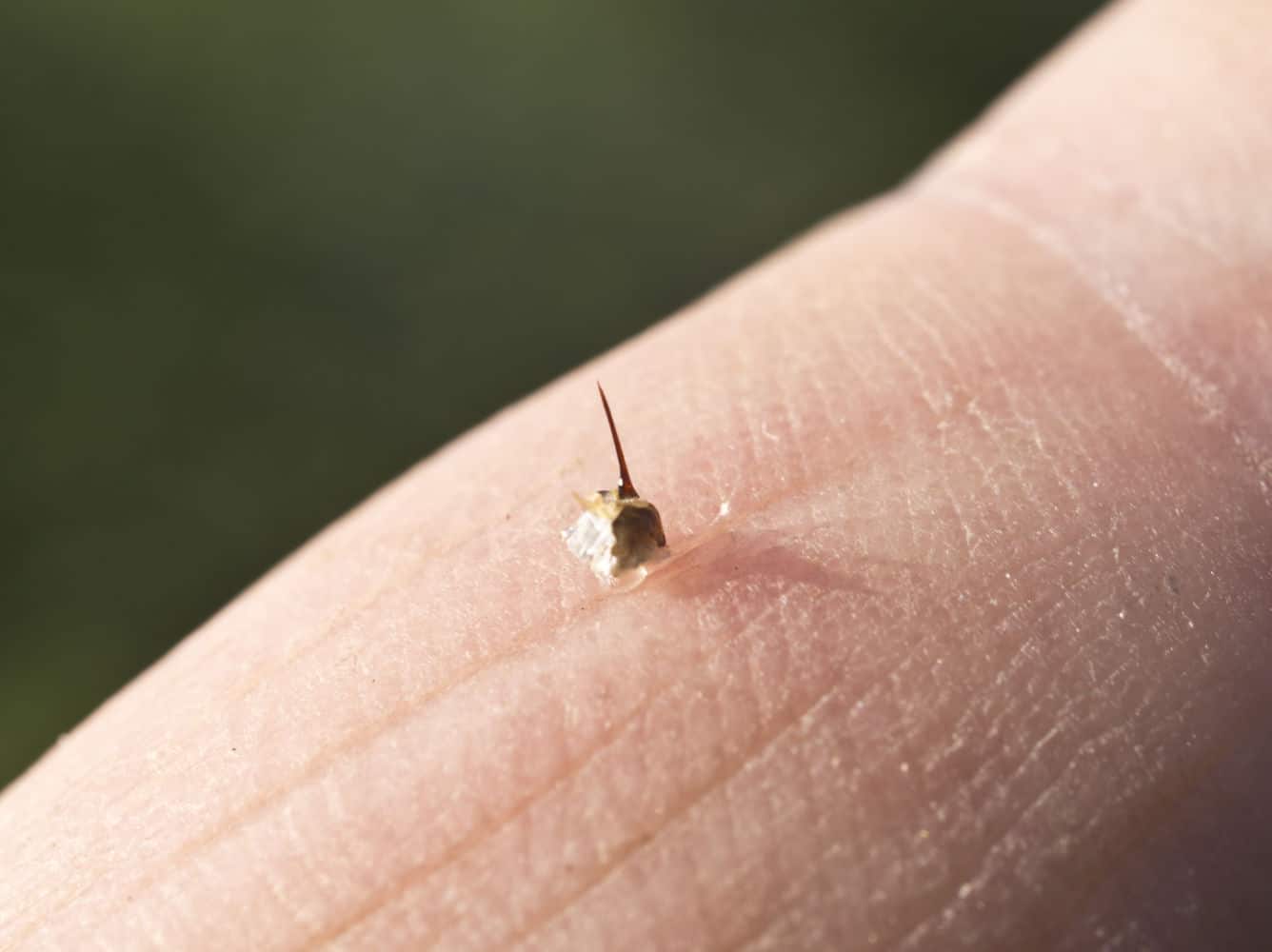
If you have ever been outdoors in summer, you might have experienced the sudden pain of a Wasp Sting. They can hurt a lot and sometimes cause serious reactions. Many people do not know that wasps sting not just for defense but also to protect their nests. You should understand how these stings work, what happens in your body, and how to handle them properly. In this article, you will learn some interesting facts, simple care methods, and important safety tips about wasp stings.
What Happens When You Get Stung by a Wasp
Immediate Physical Reactions
When a wasp stings, it injects venom into your skin. You may feel sharp pain instantly, followed by redness and swelling around the sting site. Some people also experience itching or a burning sensation. It is normal for the pain to last for a few hours, but in most cases, the swelling reduces by the next day. One must be careful not to scratch the area, as it can make the sting worse.
Allergic Reactions You Should Know About
Some people are allergic to wasp venom. Mild allergic reactions include hives, mild swelling beyond the sting site, or a slight fever. Severe allergic reactions, called anaphylaxis, are dangerous. Symptoms may include difficulty breathing, dizziness, rapid heartbeat, or swelling in the face and throat. If you notice these signs, you must seek medical help immediately. Do not try to treat severe reactions at home.
Health Care Tips for Wasp Stings
Once a sting happens, caring for your skin properly is important. Avoid scratching or picking at the sting site, as it can cause infection. Keeping the area clean and applying soothing ointments can help healing. You should also monitor for any unusual symptoms, especially if it is your first sting. Understanding basic Health Care Tips can prevent complications and make recovery faster.
Interesting Wasp Sting Facts
Why Wasp Stings Can Be More Painful Than Bee Stings
Many people wonder why wasp stings seem more painful than bee stings. Unlike bees, wasps can sting multiple times, and their venom contains chemicals that cause more pain. These chemicals irritate the skin and nerves, making the sting feel sharp and burning. One should remember that not all stings are equal; some may hurt less depending on your skin sensitivity.
The Science Behind the Wasp Venom
Wasp venom contains proteins and toxins that affect your immune system. These proteins break down cell membranes and trigger inflammation, causing redness and swelling. Interestingly, this venom also has enzymes that can stop bleeding in small amounts. Scientists are studying these proteins for potential medical use. Understanding how venom works can help you treat stings more effectively.
How Wasps Use Their Stings
Wasps do not sting randomly. They mainly sting to defend themselves or their nest. Some species can inject venom into prey to paralyze them before eating. By knowing this, you can avoid disturbing nests and reduce the chance of getting stung. One simple tip is to stay calm and move slowly if a wasp is nearby; sudden movements can provoke them.
How to Treat a Wasp Sting at Home
Simple First Aid Steps You Can Follow
If you get stung, the first thing you should do is clean the area with soap and water. Applying a cold compress can reduce swelling and pain. Over-the-counter pain relievers like ibuprofen can also help if the sting is very uncomfortable. You should also remove any stinger left in the skin, although wasps usually do not leave their stinger behind.
Home Remedies That May Help
Many people use natural remedies to ease the sting. Applying a paste of baking soda and water can neutralize venom and reduce itching. Honey or aloe vera gel can soothe the skin and help with healing. One can also try a small amount of vinegar to reduce inflammation. Always make sure to observe the area and seek help if swelling or redness spreads.
When to Seek Medical Help
Even though most stings are mild, some situations require professional care. You must see a doctor if the sting causes severe pain, swelling that spreads rapidly, or signs of an allergic reaction. Children, older adults, or people with a history of allergies should be extra cautious. One must not ignore symptoms like trouble breathing, fainting, or rapid heartbeat. Immediate medical attention can save lives.
Preventing Wasp Stings
Outdoor Safety Tips
You can avoid most stings by following simple precautions outdoors. Do not wear bright colors or floral patterns that attract wasps. Avoid wearing strong perfumes or scented lotions, as wasps can be attracted to these smells. When eating outside, cover food and drinks to prevent attracting insects. If a wasp comes near, stay calm and move away slowly instead of swatting at it.
How to Avoid Wasps Around Your Home
Wasps often build nests near windows, doors, or in gardens. Inspect your surroundings regularly and remove nests carefully or with professional help. Keep trash bins tightly closed, and avoid leaving sugary drinks or food outside. One must be careful when gardening or cleaning attics where nests can form.
Conclusion
Wasp stings can be painful and sometimes dangerous, but knowing what to expect and how to handle them makes a big difference. You should be aware of the reactions, simple home care methods, and when to seek medical help. Preventing stings with safety measures outdoors and around your home is always better than treatment. By following these easy tips, one can enjoy the outdoors without worrying too much about wasps.