Introduction
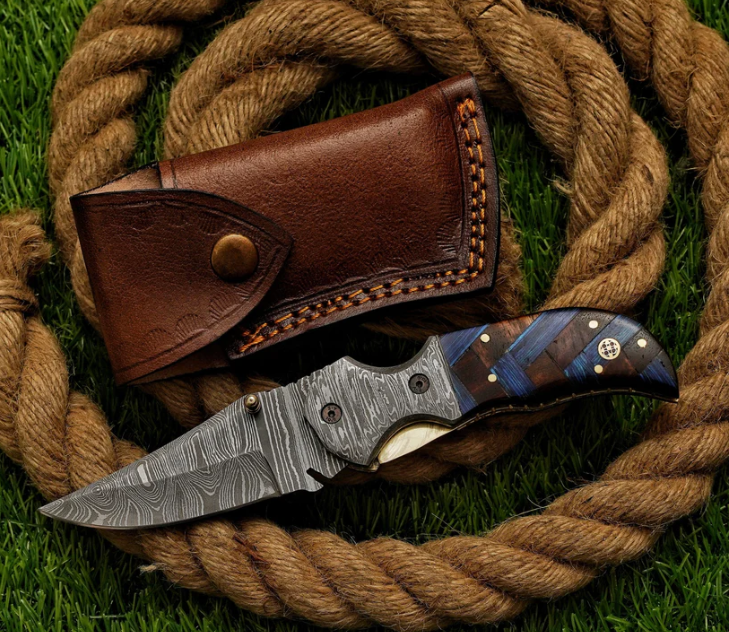
Damascus folding knives have earned a legendary reputation among outdoor enthusiasts, collectors, craftsmen, and everyday users who appreciate both performance and beauty in a single tool. Known for their unmistakable patterned blades and remarkable strength, these knives combine centuries-old forging traditions with modern functionality.
In this article, we explore what makes Damascus folding knives so durable, stylish, and desirable. From their ancient origins to contemporary uses, from their intricate blade patterns to the exceptional performance they deliver, you will understand why these knives stand out as exceptional tools for anyone who wants quality and artistry in one compact package.
The Rich History Behind Damascus Steel
The story of Damascus steel begins more than 1,500 years ago, when ancient bladesmiths in the Middle East forged weapons known for their sharpness, flexibility, and almost mythical beauty. These blades were believed to be able to cut through lesser-quality swords with ease and hold an edge far longer than typical iron weapons of their time.
What made Damascus steel so legendary was its unique pattern—waves, swirls, and flowing lines resembling water ripples across metal. These patterns were not merely decorative; they were the result of highly sophisticated forging techniques involving multiple layers of steel.
Though the ancient forging methods were lost over time, modern bladesmiths revived the concept using a method called pattern welding—folding and layering steels with different carbon contents. This technique allows artisans to create the same mesmerizing patterns and achieve the exceptional performance Damascus steel is known for today.
Why Damascus Folding Knives Stand Out
Modern Damascus folding knives combine traditional artistic metallurgy with practical engineering. Whether used outdoors, at work, or as a collectible, they offer several advantages:
1. Exceptional Durability
The process of layering and forging steel enhances the blade’s structural integrity. Each fold increases the steel’s strength, creating a blade that resists chipping, cracking, and bending. The result is a knife designed to endure demanding tasks—from slicing rope and carving wood to everyday cutting needs.
2. Superior Edge Retention
Damascus steel is valued for its ability to stay sharp. The layered construction and carbon-rich core enable the blade to maintain a keen edge far longer than many standard stainless-steel blades. Users benefit from less frequent sharpening and consistently reliable cutting power.
3. Striking Aesthetic Appeal
No two Damascus blades are alike. Each features its own unique swirl, wave, or ladder pattern forged into the steel. The natural artwork created through the folding process turns every knife into a one-of-a-kind masterpiece.
4. Lightweight and Portable
Unlike fixed-blade knives, folding knives provide convenience. They slip easily into your pocket, pack, or toolkit while still offering the same performance benefits of a high-quality steel blade. This makes them ideal for EDC (everyday carry) users.
5. Versatile Use
Damascus folding knives are suitable for:
- Camping and hiking
- Hunting and fishing
- Everyday cutting tasks
- Crafting and woodworking
- Outdoor survival
- General utility and household use
Whether you need precise cutting or rugged outdoor reliability, these knives adapt well to various situations.
The Craftsmanship Behind Damascus Folding Knives
Behind every Damascus folding knife is a meticulous process that blends traditional smithing techniques with modern engineering.
1. Layering the Steel
Crafting begins with stacking high-carbon and low-carbon steel layers. Heating, hammering, and folding these layers multiple times forms the classic Damascus pattern. The number of layers can range anywhere from dozens to hundreds.
2. Forging the Pattern
Bladesmiths use different methods—such as twisting, laddering, or raindrop patterns—to shape the iconic designs. This step requires high skill, precision, and experience to create a clean, consistent aesthetic across the blade.
3. Shaping and Grinding
The blade is hand-forged into its desired shape and then ground to refine the bevel. Every angle, curve, and taper is carefully crafted to enhance strength and cutting efficiency.
4. Heat Treatment
To ensure durability, the blade undergoes controlled heating and cooling cycles. Proper heat treating enhances hardness, edge retention, and toughness.
5. Handle Construction
A Damascus folding knife is not complete without a well-made handle. Artisans use materials such as hardwood, bone, horn, G10, or stabilized wood. These handles are designed for comfort, grip, and visual appeal.
6. Fitting the Folding Mechanism
The blade is paired with a secure locking system—commonly liner lock, frame lock, or back lock—to ensure safe and efficient use. Smooth opening and closing action is essential, requiring precise craftsmanship.
The end result is a blade that is not only durable but also visually striking and practical for everyday or outdoor use.
The Unique Patterns of Damascus Steel
The layered nature of Damascus steel creates natural designs that users admire and collectors value. Some common patterns include:
- Ladder Pattern – Resembles ridges across the blade
- Twist Pattern – Spiraling designs from twisted steel layers
- Raindrop Pattern – Circular ripples like falling rain
- Wave Pattern – Flowing lines mimicking water waves
- Feather Pattern – Elaborate feather-like shapes
These patterns are not etched on—they are forged into the steel itself. This ensures the design lasts as long as the blade does.
Why Collectors Love Damascus Folding Knives
Collectors value Damascus knives for both their functionality and artistry. Each knife is a blend of tradition, craftsmanship, and unique design. No two blades look exactly alike, making them attractive collectibles.
Additionally, the effort that goes into forging these knives, combined with the timeless appeal of Damascus patterns, means many pieces appreciate in value over time. For collectors who appreciate handmade craftsmanship, these knives are often considered display-worthy works of art.
Perfect for Outdoor Adventures
Outdoor enthusiasts gravitate toward Damascus folding knives because they offer the reliability of a strong, sharp blade in a compact, portable design. When camping, hiking, or fishing, the last thing you want is a tool that fails during an important moment. With their rugged construction and ability to hold an edge, Damascus folding knives provide confidence and consistent performance in unpredictable environments.
Whether you are preparing food outdoors, cutting rope, cleaning fish, or performing survival tasks, a Damascus folding knife can handle the challenge while maintaining its aesthetic appeal.
Caring for Your Damascus Folding Knife
To preserve both performance and appearance, proper care is essential.
1. Keep it Clean
Wipe the blade after each use to remove moisture, debris, or chemicals that may damage the steel.
2. Apply Oil
Damascus steel benefits from occasional light oiling to prevent rust and keep the layers highlighted.
3. Store Properly
Avoid storing in damp or humid environments. Use a dry pouch or case where possible.
4. Sharpen Carefully
Use quality sharpening stones to maintain the blade’s fine edge.
With proper care, a Damascus folding knife can last a lifetime and even be passed down to future generations.
Conclusion
Damascus folding knives bring together the rugged strength of layered steel and the refined elegance of handcrafted patterns. They are reliable in real-world use yet visually impressive enough for display. Whether you need a high-performing everyday tool or a unique collectible piece, Damascus folding knives offer unmatched beauty, functionality, and durability.
Their legacy stretches from ancient warriors to today’s adventurers and craftsmen. Owning one means holding centuries of tradition and artistry in the palm of your hand—proving that true craftsmanship never goes out of style.