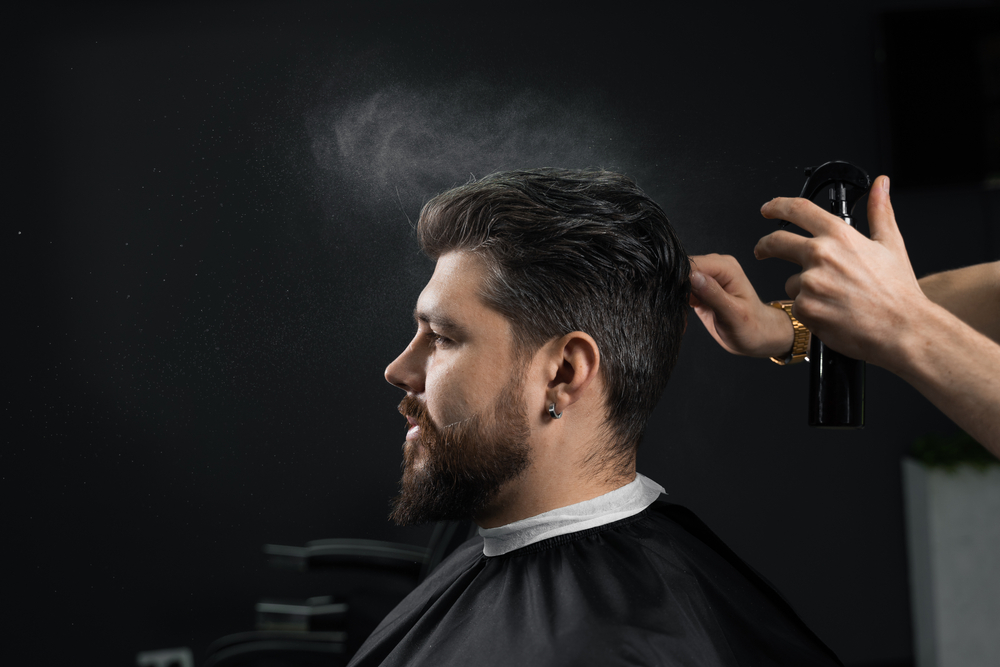
Hair density shapes how your haircut looks, grows, and behaves each day. Thick hair holds volume but can feel heavy. Thin hair feels light but loses shape fast. A men’s hair stylist hair approach starts with understanding this difference, not fighting it. When techniques match your hair type, styling feels easier and results last longer. This guide explains how professionals handle both thick and thin hair with precision and purpose.
Understanding Hair Density Before Any Cut
Density refers to how many hair strands grow on your scalp. Texture refers to strand thickness. Many people mix the two. This confusion leads to poor haircut choices.
A skilled stylist studies your scalp, growth pattern, and crown movement. They look at cowlicks, recession areas, and natural fall. These details guide every decision that follows.
Hair density affects:
- How short sides should go
- Where weight must stay or leave
- How products will sit on your hair
- How often you need maintenance
Ignoring density leads to flat styles or bulky shapes. Respecting it creates balance.
How a Men Hair Stylist Hair Strategy Changes by Density
One method never fits all heads. Thick and thin hair demand opposite planning. The tools may look the same, but the intent changes.
With thick hair, control matters most. With thin hair, support matters more. The difference lies in sectioning, cutting angle, and finish work.
This mindset defines professional grooming, not trend chasing.
Techniques Used for Thick Hair Control
Thick hair grows strong and full. Without control, it spreads outward and loses form. The goal is not removal everywhere. The goal is smart reduction.
Weight Removal Without Losing Shape
Random thinning ruins structure. Controlled thinning keeps strength where needed.
Stylists often:
- Remove bulk from mid-lengths, not roots
- Use point cutting to soften heavy lines
- Avoid overusing thinning shears near the scalp
This keeps hair full but flexible.
Strategic Length Placement
Short sides with thick tops cause imbalance. Thick hair needs gradual transitions.
Proper technique includes:
- Leaving enough length to guide hair movement
- Blending sides with soft tapers, not sharp jumps
- Respecting natural growth direction
This approach prevents puffiness after two weeks.
Product Discipline for Thick Hair
Heavy hair needs lighter products. Thick creams weigh it down.
Most professionals prefer:
- Matte clays for texture control
- Lightweight pomades for shine without grease
- Pre-styling sprays to guide shape before drying
Less product works better on dense hair.
Techniques Used for Thin Hair Support
Thin hair shows scalp faster and collapses under weight. The goal is lift, not hiding.
Building Volume Through Shape
Volume starts with the cut, not the product.
Effective methods include:
- Square layers to create lift
- Avoiding razor cuts that shred ends
- Keeping clean edges for visual thickness
Sharp structure creates the illusion of fullness.
Avoiding Over-Cutting
Thin hair suffers from excess thinning. Removing too much weakens the style.
Professionals focus on:
- Keeping ends blunt where possible
- Limiting texturizing tools
- Cutting with intent, not habit
Strong edges hold shape longer.
Styling Products That Add Body
Thin hair reacts fast to the wrong product.
Better choices include:
- Volumizing powders used lightly
- Sea salt sprays for grip
- Blow-dry lotions that add lift
Heat sets volume when used correctly.
Face Shape Matters More Than Density
Hair density alone never decides a haircut. Face shape changes everything.
Round faces need height. Long faces need balance. Wide jaws need flow. A good stylist adjusts length placement to suit bone structure.
This approach prevents styles that look good in photos but fail in real life.
Growth Patterns Shape the Final Result
Hair grows forward, sideways, or in circles. Ignoring growth leads to daily frustration.
Professionals:
- Cut with the growth, not against it
- Leave length where hair resists control
- Adjust fade heights to match swirl patterns
These choices improve how your hair behaves between visits.
Hair Styling Woodbridge Ontario: Local Climate and Hair Behavior
Weather affects hair more than most realize. In hair styling Woodbridge Ontario, seasonal shifts matter.
Cold months dry hair and scalp. Warm months increase oil and frizz. Stylists account for this during consultations.
They adjust:
- Length for winter layering
- Product choices for humidity
- Maintenance timing across seasons
Local awareness improves long-term results.
Daily Styling Habits That Protect Your Cut
A great haircut fails without care. Daily habits protect the work done in the chair.
You should:
- Shampoo based on scalp needs, not routine
- Use conditioner lightly on thin hair
- Towel dry gently to avoid breakage
Simple habits extend the life of your style.
Maintenance Schedules by Hair Type
Thick hair grows outward fast. Thin hair loses shape sooner.
General timelines help:
- Thick hair benefits from trims every 4–5 weeks
- Thin hair needs shaping every 3–4 weeks
Waiting too long changes the structure of the cut.
Common Mistakes Men Make With Hair Density
Many issues come from habits, not genetics.
Common mistakes include:
- Using heavy wax on thin hair
- Over-washing thick hair
- Cutting too short near cowlicks
- Ignoring professional advice
Correction starts with awareness.
Hair Styling Woodbridge Ontario: Why Consultation Matters
In hair styling Woodbridge Ontario, consultation defines success. A few minutes of discussion save weeks of frustration.
A proper consultation covers:
- Your daily routine
- Styling skill level
- Workplace expectations
- Hair history and challenges
This shapes realistic outcomes.
Styling at Home With Confidence
A good haircut should work without effort. You should not fight your hair daily.
Professionals aim to:
- Reduce styling time
- Minimize product use
- Create styles that fall naturally
When technique matches density, styling feels intuitive.
Long-Term Hair Health Comes First
Chasing trends damages hair over time. Health preserves options.
Healthy habits include:
- Avoiding excessive heat
- Using quality shampoos
- Trimming split ends early
Strong hair responds better to styling.
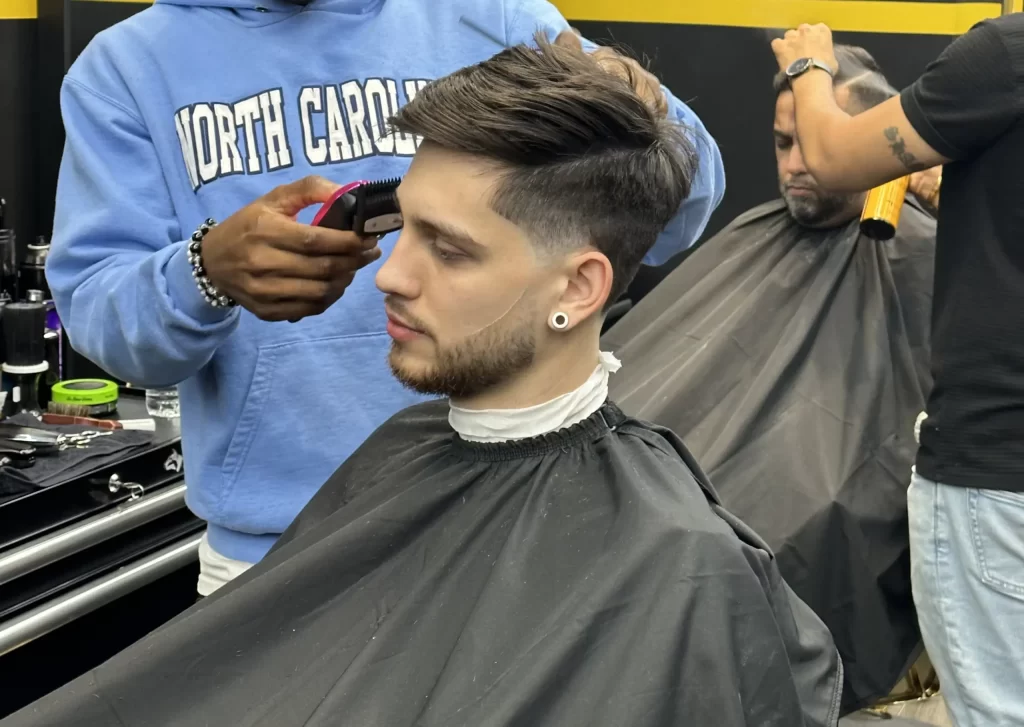
Choosing Guidance You Can Trust
Education matters, but experience matters more. When your stylist understands density, growth, and lifestyle, results stay consistent.
A thoughtful men hair stylist hair approach respects individuality. It avoids shortcuts. It focuses on function and form.
If you value clarity, balance, and control, environments like 4th Quarter Hair Lounge Inc reflect this philosophy through education-first grooming and practical results that support real life, not just trends.