
Medical facilities generate a wide range of waste streams, many of which require specialised handling to protect staff, patients, and the environment. Among these, pharmaceutical waste presents unique risks due to its chemical composition and potential impact if mismanaged. In the middle of daily clinical operations, pharmaceutical waste management becomes a critical responsibility that extends beyond disposal to include segregation, documentation, and regulatory compliance. Clear protocols help facilities manage these materials safely while maintaining operational efficiency.
Understanding Pharmaceutical Waste Categories
Effective handling begins with proper classification. Medications can fall into different categories based on hazard level, including non-hazardous, hazardous, and controlled substances. Accurate identification is essential for pharmaceutical waste management, as each category follows different handling and disposal requirements. Misclassification can lead to regulatory violations, safety risks, and environmental harm, making staff training a priority.
Segregation At The Point Of Generation
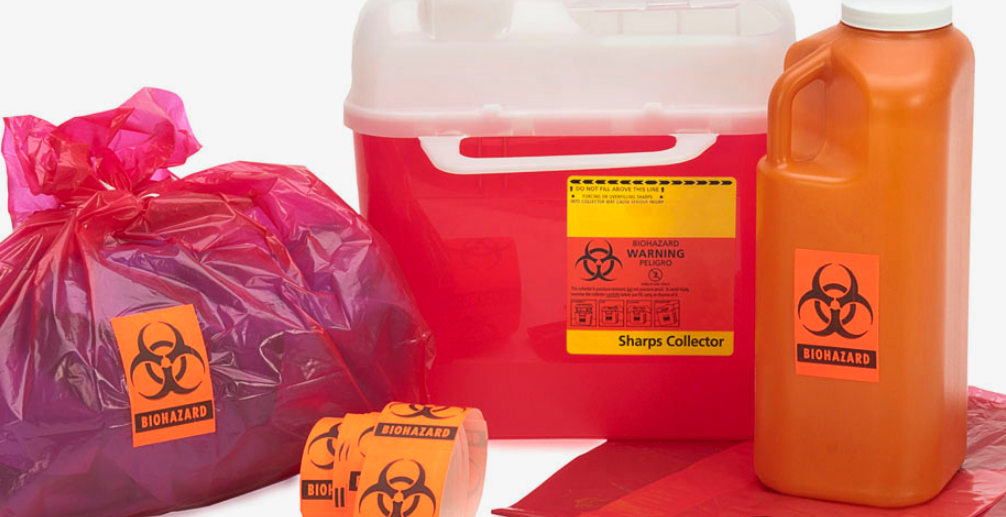
Segregation is one of the most important steps in waste control. Pharmaceutical waste should be separated from general medical waste at the point where it is generated. Proper containers, colour coding, and clear labelling support pharmaceutical waste management by reducing cross-contamination and ensuring waste is routed correctly. Early segregation also simplifies downstream handling and reduces disposal errors.
Storage And Containment Protocols
Once segregated, pharmaceutical waste must be stored securely until collection. Storage areas should be clearly marked, access-controlled, and designed to prevent leaks or exposure. Effective pharmaceutical waste management includes using compatible containers that resist punctures, corrosion, and chemical reactions. Proper storage protects staff and ensures compliance with health and safety regulations.
Handling Of Expired And Unused Medications
Expired or unused medications represent a significant portion of pharmaceutical waste. Facilities must establish clear procedures for identifying and removing these items from active inventory. Through structured pharmaceutical waste management, expired drugs are documented, isolated, and prepared for disposal without risk of diversion or accidental use. This process also supports inventory control and patient safety.
Documentation And Regulatory Compliance
Accurate recordkeeping is a core component of compliance. Medical facilities are required to document waste generation, storage, and disposal activities. Robust pharmaceutical waste management protocols include maintaining manifests, tracking disposal timelines, and retaining records for audits. Proper documentation demonstrates due diligence and helps facilities meet local and national regulatory standards.
Staff Training And Awareness
Protocols are only effective when staff understand and follow them consistently. Training programs should educate clinical and support staff on waste categories, handling procedures, and emergency response. Ongoing education strengthens pharmaceutical waste management by reducing human error and reinforcing accountability across departments. Clear signage and regular refreshers further support adherence.
Risk Reduction And Environmental Protection
Improper disposal of pharmaceuticals can contaminate water systems and harm ecosystems. By implementing structured pharmaceutical waste management, medical facilities reduce the risk of environmental release and protect public health. Responsible handling supports sustainability goals while reinforcing the facility’s commitment to community safety.
Integration With Facility-Wide Waste Programs
Pharmaceutical waste protocols should align with broader medical waste strategies. Integrating pharmaceutical waste management into facility-wide programs ensures consistency, efficiency, and clear communication between departments. This holistic approach simplifies oversight and strengthens overall waste governance.
Continuous Review And Improvement
Regulations and best practices evolve over time. Facilities should regularly review protocols to ensure ongoing compliance and effectiveness. Continuous improvement in pharmaceutical waste management allows medical organisations to adapt to regulatory changes, new medications, and emerging safety standards.
Conclusion
Well-defined protocols are essential for managing pharmaceutical waste safely and responsibly within medical facilities. From segregation and storage to documentation and staff training, each step plays a role in reducing risk and maintaining compliance. By following structured processes and partnering with reliable services such as hazardous waste pickup, healthcare organisations can protect patients, staff, and the environment while maintaining high operational standards.