
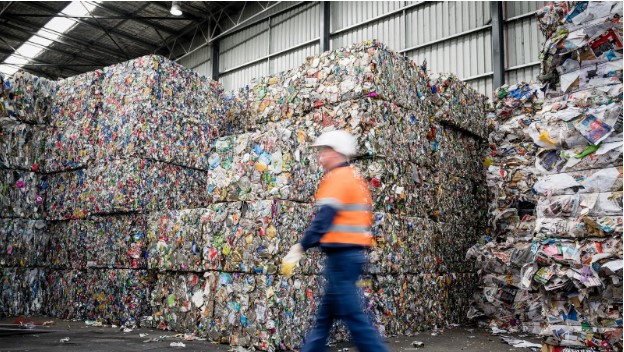
Environmental regulations are becoming stricter across commercial, industrial, and municipal sectors as governments push for higher recycling rates and lower landfill dependency. Businesses and local authorities are expected to demonstrate responsible waste handling while maintaining operational efficiency. In this landscape, co mingled recycling has emerged as a practical solution that simplifies compliance without adding unnecessary complexity. By allowing multiple recyclable materials to be collected together, it supports regulatory goals while encouraging higher participation rates.
Rather than relying on rigid separation at the source, this approach aligns operational convenience with sustainability objectives, making regulatory adherence more achievable for a wide range of organisations.
Understanding Environmental Recycling Regulations
Environmental regulations are designed to reduce waste sent to landfills, conserve natural resources, and limit pollution caused by improper disposal.
Regulatory Focus On Waste Diversion
Many regulations set clear targets for diverting recyclable materials away from landfills. These targets apply to sectors such as retail, construction, hospitality, and public services. Co-mingled recycling supports these goals by making recycling more accessible, which directly increases diversion rates.
Compliance Reporting And Accountability
Organisations are often required to track and report waste streams. Simplified collection methods reduce errors in reporting and help maintain consistent recycling records, which is essential for audits and inspections.
How Co-Mingled Recycling Simplifies Compliance
Meeting environmental regulations is not only about intent but also about execution. Systems that are easy to implement tend to deliver better compliance outcomes.
Reduced Complexity At The Source
Separating paper, plastics, metals, and glass into individual bins can lead to confusion and contamination. Co-mingled recycling minimises this issue by using a single collection stream, making correct disposal easier for staff and the public.
Increased Participation Rates
When recycling is straightforward, participation increases. Higher engagement leads to improved recovery rates, which supports compliance with recycling mandates and sustainability benchmarks.
Supporting Consistent Waste Management Practices
Consistency is a key requirement in regulatory compliance. Irregular practices often result in penalties or corrective actions.
Standardised Collection Across Facilities
Organisations with multiple locations benefit from uniform waste processes. Co-mingled recycling allows the same system to be implemented across offices, retail outlets, and public spaces, ensuring consistency in waste handling.
Fewer Operational Errors
By reducing the number of bins and sorting rules, the likelihood of incorrect disposal decreases. This directly supports regulatory expectations around proper waste segregation and handling.
Alignment With Modern Recycling Infrastructure
Recycling regulations are increasingly shaped by advances in sorting and processing technology.
Compatibility With Material Recovery Facilities
Modern facilities are equipped to separate mixed recyclables efficiently. Co-mingled recycling aligns with this infrastructure, allowing collected materials to be sorted accurately at centralised locations rather than at the point of disposal.
Improved Material Recovery Rates
Advanced sorting technology ensures that recyclable materials are recovered with minimal contamination. This improves overall recycling performance and supports compliance with quality standards set by regulators.
Cost Efficiency And Regulatory Compliance
Financial considerations often influence how well organisations can comply with environmental laws.
Lower Collection And Training Costs
Maintaining multiple waste streams requires additional bins, signage, and staff training. Co-mingled recycling reduces these requirements, allowing organisations to allocate resources more effectively while still meeting regulatory obligations.
Avoidance Of Penalties And Fines
Non-compliance can result in fines, reputational damage, or operational restrictions. A simplified recycling system helps organisations maintain compliance and avoid costly enforcement actions.
Encouraging Sustainable Behaviour At Scale
Environmental regulations aim not only to control waste but also to promote long-term behavioural change.
Building Sustainable Habits
Simple recycling systems encourage regular participation. Over time, this supports a culture of sustainability that aligns with regulatory objectives and corporate environmental commitments.
Supporting Broader Environmental Goals
By increasing recycling rates and reducing landfill use, co-mingled recycling contributes to emissions reduction, resource conservation, and circular economy targets outlined in many environmental policies.
Conclusion
Environmental regulations demand higher recycling performance, accurate reporting, and consistent waste practices. Co-mingled recycling addresses these requirements by simplifying participation, improving recovery rates, and aligning with modern processing capabilities. Its flexibility and efficiency make it a reliable solution for organisations navigating complex compliance landscapes. When combined with advanced waste sorting systems, it creates a balanced approach that supports regulatory goals while maintaining operational practicality.
