Introduction
India has a well-established and highly competitive market for disposable syringes, supported by manufacturers that cater to hospitals, clinics, vaccination programs, pharmaceutical companies, and international export markets. Disposable syringes are classified as critical medical devices because they are used directly in patient care and drug delivery. As a result, quality certification plays a decisive role in procurement decisions.
Certifications such as ISO 13485, CE marking, WHO PQS, and regulatory approvals issued by national authorities like the CDSCO are considered essential benchmarks. These certifications assure buyers that syringes are manufactured under strict quality controls, follow validated sterilization processes, and comply with global safety standards. This article explores the importance of certification, key evaluation criteria, manufacturing capabilities, and best practices for selecting a reliable disposable syringe supplier in India.
Importance of Quality Certification for Disposable Syringes
Disposable syringe manufacturers in India are widely used for administering vaccines, injectable medicines, biologics, and critical care drugs. Any compromise in quality can lead to serious patient safety risks, regulatory penalties, or product recalls. Quality certifications exist to minimize these risks and ensure consistency across large-scale production.
ISO 13485 certification confirms that a manufacturer follows an internationally recognized quality management system specific to medical devices. CE marking is necessary for access to European markets and demonstrates compliance with health, safety, and performance requirements. WHO PQS listing is often mandatory for syringes supplied to international immunization programs and global health initiatives. In India, manufacturing licenses and approvals issued by regulatory authorities ensure legal production, distribution, and post-market surveillance.
Buyers should evaluate certificates, sterility validation data, batch release protocols, and lot testing records before finalizing any procurement contract.
Overview of the Indian Disposable Syringe Manufacturing Landscape
India hosts a wide range of disposable syringe manufacturers, from large-scale exporters to medium and small regional producers. These manufacturers supply products for domestic healthcare institutions as well as international markets across Asia, Africa, Europe, and Latin America.
The industry includes producers specializing in conventional hypodermic syringes, oral syringes, irrigation syringes, and auto-disable syringes for immunization programs. While manufacturing scale, product range, and export capability may differ, all credible suppliers operate under defined regulatory frameworks and quality systems.
It is important to note that the market also contains niche and regional manufacturers. Therefore, buyers must always verify that a supplier holds valid, up-to-date certifications and manufacturing licenses before placing orders.
Certifications and Documents Buyers Should Verify
During supplier evaluation, procurement teams should request and validate the following documentation:
- ISO 13485 Certification
Confirms compliance with a certified quality management system for medical devices. - CE Marking Documentation
Required for distribution in European markets and supported by notified body assessment. - WHO PQS Listing or Prequalification
Essential for suppliers involved in international vaccine and public health procurement programs. - National Regulatory Approvals and Manufacturing Licenses
Demonstrate legal authorization to manufacture and sell disposable syringes in India. - Sterilization Validation Reports
Evidence that sterilization methods such as gamma radiation or ethylene oxide are validated and consistently effective. - Batch Release and Lot Testing Records
Confirm that each production batch meets sterility, dimensional, and safety specifications. - Raw Material Traceability Records
Ensure the use of medical-grade polymers and validated packaging materials.
Buyers should always cross-check certificates with issuing authorities whenever possible.
Manufacturing Capabilities That Matter
Beyond documentation, actual manufacturing capability plays a crucial role in long-term reliability and product consistency. Key capabilities to assess include:
- Automated injection-moulding systems for precision components
- Clean-room assembly environments to prevent contamination
- In-house or validated outsourced sterilization facilities
- Capability to produce auto-disable syringes for vaccination programs
- Quality control laboratories for physical, chemical, and sterility testing
- Advanced packaging lines for sterile barrier and blister packaging
- Batch traceability and serialization systems where required
Manufacturers with integrated and automated production systems generally deliver higher consistency and lower defect rates.
Choosing Between Domestic and Export-Oriented Suppliers
India has both domestically focused manufacturers and suppliers with strong export orientation. Domestic suppliers often provide competitive pricing, flexible order quantities, and faster delivery timelines. Export-oriented suppliers may offer broader regulatory support and documentation aligned with international markets.
The selection should be based on intended use, target market, regulatory requirements, pricing, lead time, after-sales support, and past performance with healthcare or pharmaceutical clients.
Common Types of Disposable Syringes and Their Applications
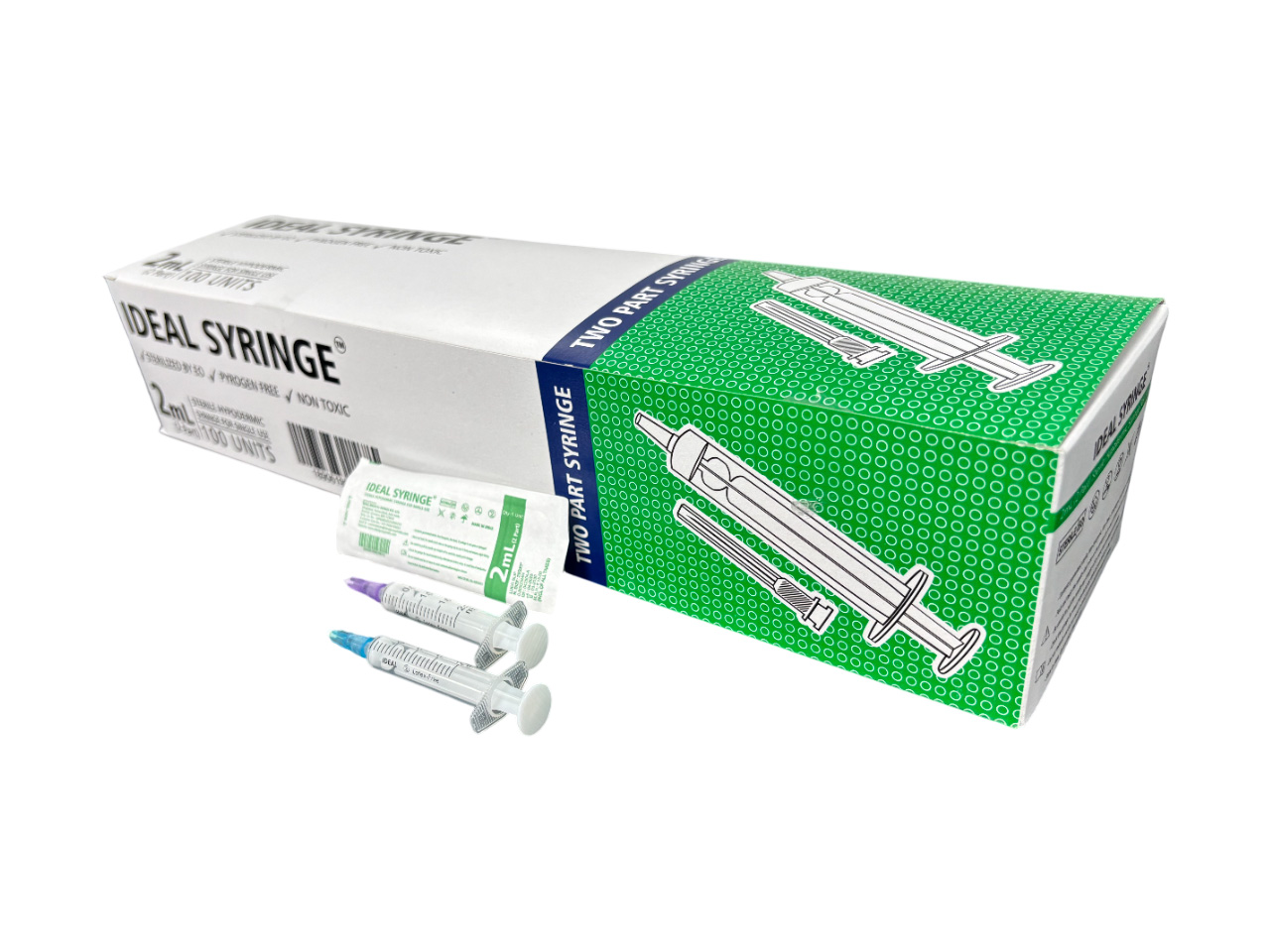
Disposable syringe manufacturers in India typically produce several categories of syringes, including:
- Hypodermic Syringes (1 ml to 10 ml)
Used for routine injections in hospitals and clinics. - Oral Syringes
Designed for enteral administration, commonly used in pediatric care. - Irrigation Syringes (20 ml to 50 ml)
Used for wound cleaning, flushing, and medical procedures. - Auto-Disable Syringes
Designed to prevent reuse and widely used in mass immunization programs.
Selecting the correct syringe depends on clinical requirements, drug compatibility, dosing accuracy, and safety considerations.
Pricing, Lead Time, and Procurement Best Practices
Pricing of disposable syringes depends on factors such as order volume, syringe specification, needle type, packaging format, and certification level. Large bulk tenders generally result in lower per-unit costs.
Minimum order quantities may vary. Smaller manufacturers may accept lower volumes but at higher unit prices. Buyers should always request samples before finalizing orders and conduct incoming inspection checks, including visual examination, dimensional verification, and certificate review.
Reference checks with hospitals, pharmaceutical companies, or healthcare organizations can help validate supplier reliability.
Due Diligence Checklist for Buyers
Before finalizing a supplier, buyers should ensure the following:
- Valid ISO 13485 certification with current expiry date
- Active manufacturing license and regulatory approvals
- Availability of sterility and batch testing documentation
- Confirmed production capacity and delivery timelines
- Sample approval and incoming quality inspection
- Client references or third-party audit reports
A structured due diligence process reduces long-term procurement risks.
Frequently Asked Questions
Are all disposable syringes the same in quality?
No. Quality varies based on raw materials, manufacturing precision, sterility validation, and quality control systems.
Which certifications are essential for export markets?
ISO 13485 is foundational. CE marking and WHO PQS may be required depending on the destination country and buyer.
Can small quantities be purchased from certified manufacturers?
Many manufacturers prefer bulk orders, but smaller quantities may be available through distributors at higher unit costs.
Are auto-disable syringes manufactured in India?
Yes. Several Indian manufacturers produce auto-disable syringes for immunization and public health programs.
How can buyers identify reliable suppliers?
Industry directories and trade platforms can be used for initial research, but final selection should always be based on direct verification and documentation review.
Conclusion
India’s Disposable syringe manufacturers in India manufacturing sector offers a wide range of certified suppliers capable of meeting domestic and international demand. However, selecting the right manufacturer requires more than comparing prices. Buyers must prioritize quality certifications, regulatory compliance, manufacturing capability, and documented quality controls.
By following a structured evaluation and due diligence process, healthcare institutions and pharmaceutical companies can ensure safe, compliant, and reliable procurement of disposable syringes that meet global standards.