
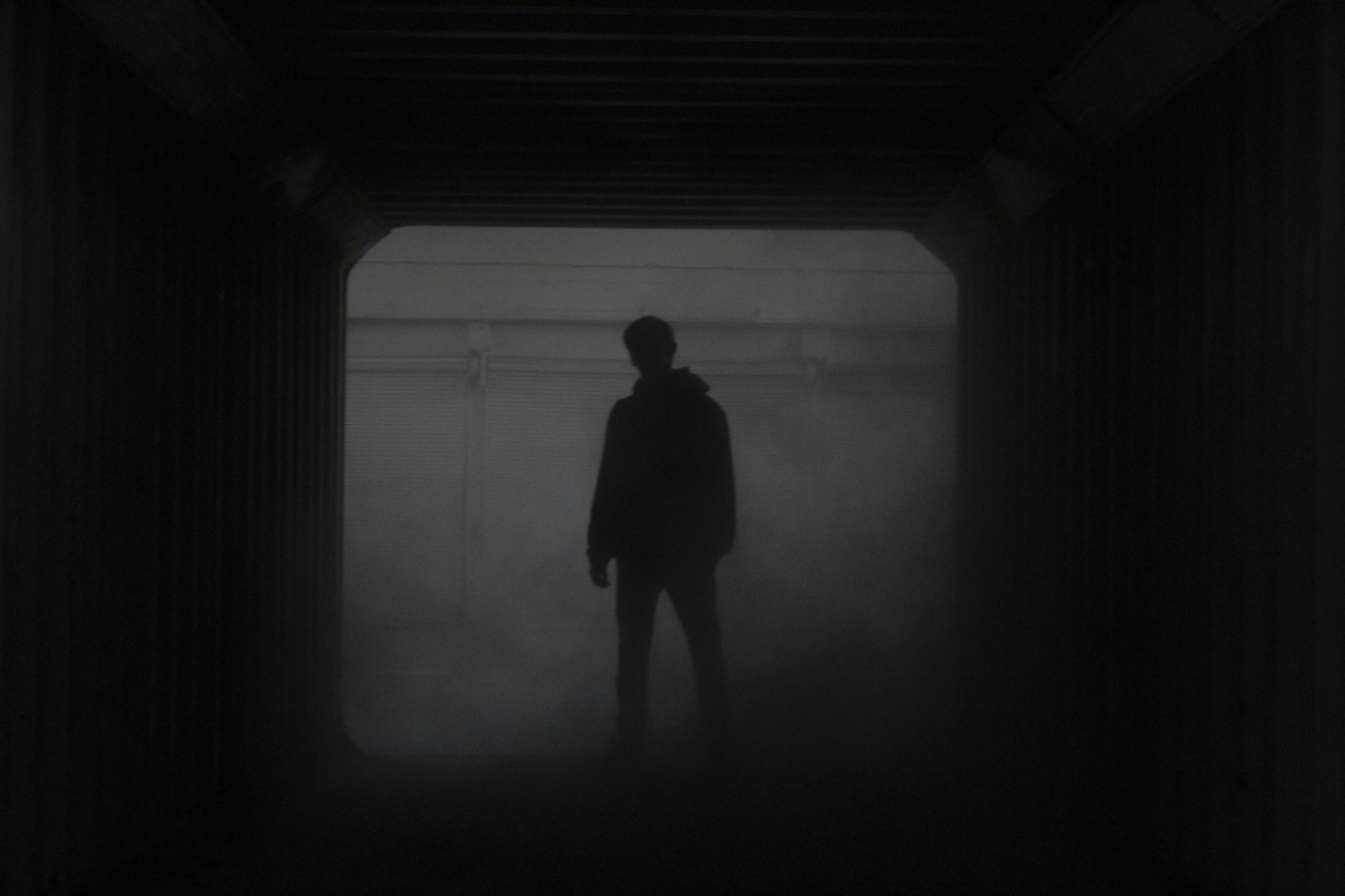
In most thrillers, the action lives outside the characters — in gunfights, chases, and conspiracies.
In J.L. Calder’s DoubleHelix, the tension lives somewhere quieter and more unsettling: inside the mind of an artist unraveling beneath the weight of secrets he was never meant to hold.
The novel treats espionage as an atmosphere, a low, humming presence that presses in on daily life, warping perception and identity. The intrigue works its way between conversations, into habits, into addictions that become ways of numbing the awareness that something is always wrong just beneath the surface.
That’s where DoubleHelix becomes unexpectedly intimate: at its core, it’s not simply a spy story, it’s the portrait of an artist buckling inside a system designed to erase certainty.
Art as a Survival Mechanism
Mike Green doesn’t write because he’s inspired.
He writes because writing gives him a sense of control his life doesn’t offer elsewhere. On the page, everything can be arranged, motives explained, actions justified, consequences neatly stitched into endings. It’s order in a world that refuses to make sense.
But Calder subverts the fantasy of artistic escape. The more Mike writes, the more uneasy he becomes. The act of shaping stories sharpens his awareness of how little say he actually has over his own narrative. His characters know who they are; he does not.
Writing becomes less refuge and more mirror, reflecting the distance between the stories he tells and the life he lives.
Addiction as Escape
Calder never romanticizes Mike’s reliance on substances. Addiction appears not as rebellion or decadence, but as exhaustion, the dull ache of needing silence inside your own head.
For Mike, substances blur the edges of thought, mute the questions that won’t resolve themselves. They become a chemical pause button: a brief way to suspend the unnerving realization that something fundamental about his life doesn’t add up.
Addiction doesn’t define him but it shadows everything he does. It subtly erodes his confidence, fogs his instincts, and deepens the internal divide that already isolates him. Rather than solving pain, it merely delays the reckoning.
Espionage Without the Glamour
Where traditional spy fiction trades in gadgets and spectacle, DoubleHelix presents espionage as something less dramatic and more disturbing.
Information moves quietly. Allegiances are implied rather than declared. Hidden systems shape outcomes while remaining just out of sight. The power players are rarely seen directly; their influence is felt instead through the pressure they exert on ordinary lives.
Calder’s brilliance is showing how this machinery intersects personal identity. Espionage isn’t just happening “out there”, it infiltrates private space, bending realities and personal histories. For Mike, exposure to this shadow network doesn’t make him feel powerful. It leaves him feeling small — aware that invisible hands may have shaped his past long before he was able to question it.
The Collision of Three Forces
DoubleHelix gains its emotional force from the collision of art, addiction, and espionage, each pulling Mike in a different direction:
- Art urges him toward reflection and meaning.
- Addiction tempts him with erasure and numbness.
- Espionage threatens to redefine everything he believes to be true.
None of these paths offer salvation. Instead, they spiral together — a tightening helix — drawing him deeper into uncertainty.
What the novel captures with unsettling precision is how creative people often balance fragile stability against outside pressures they cannot control. In DoubleHelix, the artist becomes not a counterpoint to political darkness but a casualty of it.
Why This Story Strikes a Nerve
Calder doesn’t use external danger to move the story forward, but instead uses internal destabilization, the slow dawning that truth may be more disorienting than ignorance. Mike’s addictions, creative drive, and proximity to hidden power structures all reflect modern anxieties: how identity fractures under systemic pressure, and how art becomes both shield and spotlight in times of instability.
DoubleHelix isn’t about espionage alone, it’s about how ordinary lives are warped by forces too large to grasp. The artist doesn’t escape that gravity. He absorbs it.
In Mike Green, Calder gives us a character caught at that precise intersection; where creativity struggles to illuminate truth, addiction clouds emotional clarity, and espionage undermines the very idea of personal autonomy.
Read the book today on Amazon.