
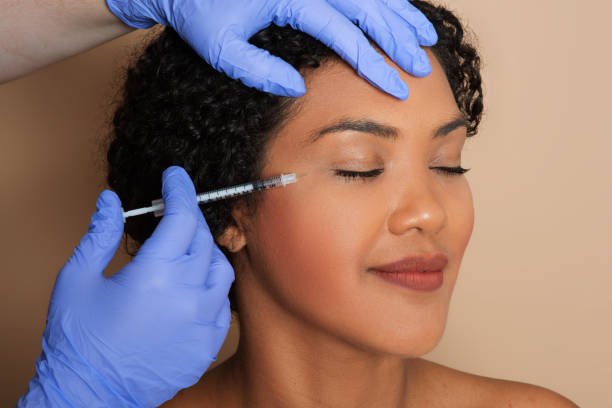
Understanding the differences between Dermal Fillers in Abu Dhabi and Botox is essential for anyone considering cosmetic treatments to enhance their appearance. Both procedures are popular choices for reducing signs of aging and achieving a more youthful look, but they serve distinct purposes and involve different techniques. This comprehensive guide aims to clarify these differences, helping you make an informed decision about which treatment aligns best with your aesthetic goals.
What Are Dermal Fillers?
Definition and Composition
Dermal fillers are gel-like substances injected beneath the skin to restore lost volume, smooth out wrinkles, and enhance facial contours. They are primarily composed of hyaluronic acid, a naturally occurring substance in the body that retains moisture and adds plumpness to the skin. Some fillers may also include other materials like calcium hydroxylapatite or poly-L-lactic acid to stimulate collagen production.
Purpose and Benefits
The main purpose of dermal fillers is to address volume loss that occurs due to aging, sun damage, or genetic factors. They are highly effective for filling in deep wrinkles, augmenting lips, contouring cheeks, and improving facial symmetry. The benefits include immediate results, minimal downtime, and a natural-looking enhancement when performed by skilled practitioners.
What Is Botox?
Definition and Composition
Botox is a purified form of botulinum toxin type A. It works by temporarily blocking nerve signals to specific muscles, preventing them from contracting. This action results in relaxation of targeted muscles, which smooths out wrinkles caused by muscle movement.
Purpose and Benefits
Botox is primarily used to treat dynamic wrinkles—those that appear due to repetitive muscle movements, such as frown lines, crow’s feet, and forehead lines. It is also employed for medical purposes like reducing excessive sweating and migraine relief. The advantages include quick procedures, effective wrinkle reduction, and a relatively short recovery period.
Key Differences Between Dermal Fillers and Botox
Mechanism of Action
- Dermal Fillers add volume directly beneath the skin, physically filling in wrinkles and augmenting facial features.
- Botox temporarily paralyzes muscles responsible for wrinkle formation, preventing the wrinkles from becoming more pronounced over time.
Target Areas and Uses
- Dermal Fillers are ideal for static wrinkles—wrinkles that are visible even when the face is at rest—and for volume restoration in areas like the lips, cheeks, and jawline.
- Botox is most effective for dynamic wrinkles that result from muscle movements, such as frown lines and crow’s feet.
Onset and Duration of Results
- Dermal Fillers provide immediate visible results that can last from 6 months to 2 years depending on the type used.
- Botox typically takes 3 to 7 days to show full effects, with results lasting approximately 3 to 6 months.
Procedure and Comfort
- Both treatments involve injections, but the techniques differ slightly. Dermal fillers require precise placement to sculpt facial features, while Botox injections target specific muscles to relax them.
- Discomfort levels are generally minimal for both, often managed with topical anesthetics.
Which Treatment Is Suitable for You?
Considerations for Dermal Fillers
If your goal is to restore lost volume, improve facial contours, or address static wrinkles, dermal fillers may be the appropriate choice. They are also suitable for enhancing features like lips and cheeks, providing a more youthful and refreshed appearance.
Considerations for Botox
For those primarily concerned with dynamic wrinkles caused by muscle movements, Botox offers an effective solution. It’s particularly beneficial for smoothing lines on the forehead, between the eyebrows, and around the eyes.
Combining Both Treatments
Many individuals opt for a combination approach, using dermal fillers and Botox together to achieve a comprehensive rejuvenation. This strategy can address both static and dynamic wrinkles, resulting in a more harmonious and natural look.
The Procedure Experience
Consultation and Customization
Prior to treatment, a consultation with a qualified practitioner is essential. They will assess your facial structure, skin condition, and aesthetic goals to recommend a personalized treatment plan. Customization ensures optimal results and natural appearance.
The Injection Process
During the procedure, the practitioner injects the selected filler or Botox into targeted areas using fine needles. The process is quick, often completed within 30 minutes, with some areas requiring multiple injections for precise results.
Post-Treatment Care
Post-treatment guidelines typically include avoiding strenuous activities, excessive sun exposure, and certain medications that may increase bruising. Minor swelling or redness may occur but usually resolves quickly.
Longevity and Maintenance
Duration of Results
- Dermal Fillers: Results can last from 6 months to 2 years, depending on the type of filler and treatment area.
- Botox: Effects generally last around 3 to 6 months, with periodic touch-ups needed to maintain results.
Maintenance Treatments
Regular maintenance sessions are recommended to sustain the desired appearance. Your practitioner will guide you on the optimal frequency based on your individual response and aesthetic goals.
Safety and Effectiveness
Both dermal fillers and Botox are considered safe when administered by experienced professionals. They have been extensively studied and are approved for cosmetic use worldwide. Choosing a qualified practitioner ensures proper technique, minimizing risks and enhancing outcomes.
Final Thoughts
Choosing between dermal fillers Abu Dhabi and Botox depends on your specific aesthetic concerns and desired results. Understanding their differences—ranging from mechanism of action to targeted areas—empowers you to make informed decisions. For optimal results, a tailored treatment plan designed by a qualified specialist can help you achieve a natural, rejuvenated appearance.