What’s really in that smoky tailpipe—and what finally cuts it at the source?
The Problem Starts Inside the Cylinder
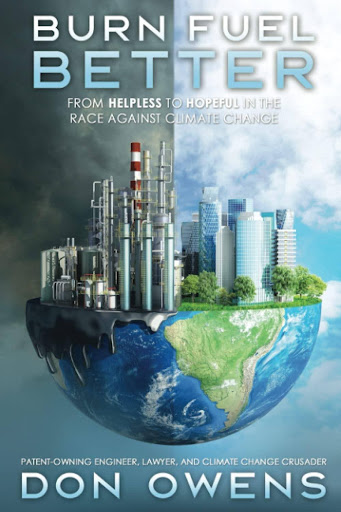
Particulate matter (PM2.5) is tiny enough to reach deep into the lungs and even the bloodstream, carrying toxic compounds and black carbon (soot). That’s why exposure spikes asthma, strains hearts, and shortens lives—especially along traffic corridors, ports, construction zones, and anywhere engines run for hours. Burn Fuel Better by Don Owens argues that soot is created when fuel doesn’t burn completely, and that happens in the flame itself. If we don’t change how fuel burns, we’ll keep producing the same PM that harms people right now.
Why Maintenance Alone Doesn’t Solve It
Anti-idling rules and diligent maintenance help, but they don’t rewrite combustion chemistry. Conventional diesel and heavy-duty spark-ignition engines still create oxygen-starved pockets where soot precursors form—even when “everything is tuned.” If the flame hasn’t changed, soot keeps forming, and PM keeps entering the lungs. That’s the limit the book calls out before introducing its solution.
The Book’s Lever: Add a Little Hydrogen, Change the Flame
Burn Fuel Better presents a practical upgrade: introduce a small, controlled amount of hydrogen (H₂) into the intake air of existing engines. This isn’t switching to hydrogen as a primary fuel; it’s a combustion improver. In the amounts described, hydrogen increases flame speed and broadens the lean-burn window, which promotes more complete oxidation and shrinks the rich zones where soot forms. The result the author reports from lab work: particulate matter cut by almost 50%—a dramatic reduction in the black carbon that damages lungs.
How It’s Implemented (Per the Book)
- On-engine H₂ generation from water, avoiding bottled gas logistics.
- Metered dosing into the intake stream ahead of combustion—no major redesign.
- Fail-safe behavior: if the device is off, the engine runs normally; when on, combustion quality improves and soot drops.
- Retrofit-friendly across sectors: trucks, off-road equipment, harbor craft, and stationary generators can be upgraded with minimal downtime.
Health Gains You Can Feel Quickly
Because PM2.5 and black carbon are short-lived in the air, cutting them produces fast, local benefits: fewer asthma flares and ER visits, better attendance at schools near routes and yards, cleaner air around neighborhoods that live with heavy equipment. The same soot that harms lungs also accelerates near-term warming, so reductions deliver a double win.
Prioritize engines that run long hours near people: school buses, refuse trucks, yard tractors, and forklifts at ports/warehouses, excavators and loaders near homes, harbor craft/tugs, and standby diesel generators. Take simple baseline readings (opacity or particulate), install hydrogen-assist on the top-exposure units, and re-measure. Publish the before/after so crews and communities can see the change.
If the injury begins in the flame, the remedy must start there. A small hydrogen assist doesn’t wait for a brand-new fleet; it helps burn fuel better now, cutting PM at the source and protecting lungs where people live and work—exactly the near-term, measurable relief the book argues for.
Grab your copy today to learn more.