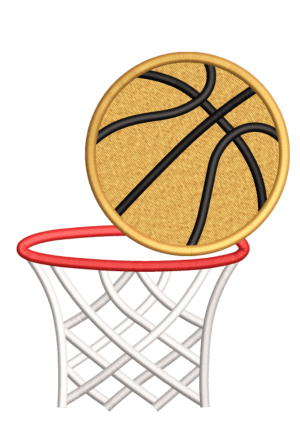
Wondering about the time for 3D puffy designs? It really depends on several different factors. Size and stitch density are the main things. You also have to consider your machine’s speed. Puffy embroidery uses foam under the thread. This creates that cool, raised look. Naturally, this takes longer than flat designs. Small letters might only take ten minutes. Huge logos can take over an hour. Knowing this helps you plan your day. It’s all about setting realistic goals.
Techniques for Creating 3D Puffy Designs
Your chosen technique changes the clock. You start with a stable underlay stitch. Then, you place the foam carefully. Finally, a thick top layer covers everything. These extra layers definitely add more time. But they are vital for that bold look. Good digitizing helps prevent annoying thread breaks. It ensures the foam is fully covered. Professional techniques keep things efficient and clean. The result is a durable, high-quality piece. It stands out and looks really expensive.
Materials Needed for 3D Puffy Designs
Materials impact your total stitching duration. High-quality foam is an absolute must-have. It holds its shape under heavy needles. Sharp edges look much better with good foam. Thicker foam requires more stitches for coverage. This will definitely extend your production time. Using strong thread helps avoid constant breaks. Proper needles also keep things moving fast. The right combo makes the process smoother. Quality materials save you a lot of headaches. Efficiency starts with picking the best supplies.
Machine Settings for 3D Puffy Designs
Machine settings are a massive time factor. You must slow down the speed. This prevents thread from snapping on foam. Slower speeds feel long but ensure quality. You get much cleaner and precise results. Proper tension is also key for success. Needle types and stitch lengths matter too. Adjusting these keeps everything looking professional. You have to balance speed with high standards. Don’t rush the machine during the puff. It’s better to be slow and perfect.
Applications of 3D Puffy Designs in Fashion
Fashion loves that bold, raised appearance. You see it on caps and jackets. Hoodies look great with puffy logos too. These designs often need larger surfaces. Denser stitching naturally extends the work time. However, the striking look is totally worth it. Streetwear brands use this to add value. It makes simple lettering really pop out. Sports teams often request this premium style. It’s one of the most popular embroidery choices. People love the texture and the vibe.
Challenges in Stitching 3D Puffy Designs
Unique challenges can slow you down. Foam must stay perfectly in its place. Shifting foam can ruin a whole project. Digitizing requires a very careful eye. Stitch angles must be exactly right. If not, the foam might peek through. That leads to messy rework and waste. Thread breaks and trimming add extra minutes. You have to be patient with the process. Overcoming these hurdles takes practice and prep. good files make the work much easier.
Customization with 3D Puffy Designs
Customization is the best part of this. Personalizing a cap with initials is fun. Or create a massive, 3D company logo. Everyone wants that unique, custom embroidery feel. This can add time for test runs. You might need to edit the digitizing. Despite the extra work, the results shine. You get a premium, one-of-a-kind piece. It delivers a huge impact for branding. Businesses love the high-end feel it gives. It’s worth the effort for a standout look.
Comparing Stitch Time of 3D Puffy Designs vs Flat Embroidery
Flat embroidery is much faster to finish. It uses fewer layers and no foam. There is no trimming or extra prep. In contrast, puffy designs have many steps. You need extra stitches for full coverage. Usually, puff takes 40% longer to stitch. This depends on the level of detail. While it takes longer, it looks better. The tactile appeal is a major selling point. Most people prefer the 3D look anyway. It just feels more professional and modern.
Tips to Reduce Stitching Time for 3D Puffy Designs
You can save time with smart planning. Pick simpler shapes for your puffy projects. Use fewer layers where it makes sense. Optimize your stitch paths in the software. Pre-cutting your foam helps a lot too. Always test the design before mass production. This stops errors before they happen. High-quality digitized files are totally essential. They help the machine run without stopping. These tips keep you on a tight schedule. You can handle bulk orders much faster.
Conclusion
Stitching time depends on your specific design. Complex embroidery patterns and thick foam take longer. Machine settings also play a huge role. Even though it’s slow, it looks amazing. The raised texture is a premium choice. It works for fashion, gifts, and branding. Good digitizing makes the process very efficient. Myembdesigns offers the best puffy design files. They are reliable and creatively made. You save time while getting great results. Elevate your work with some 3D impact today.