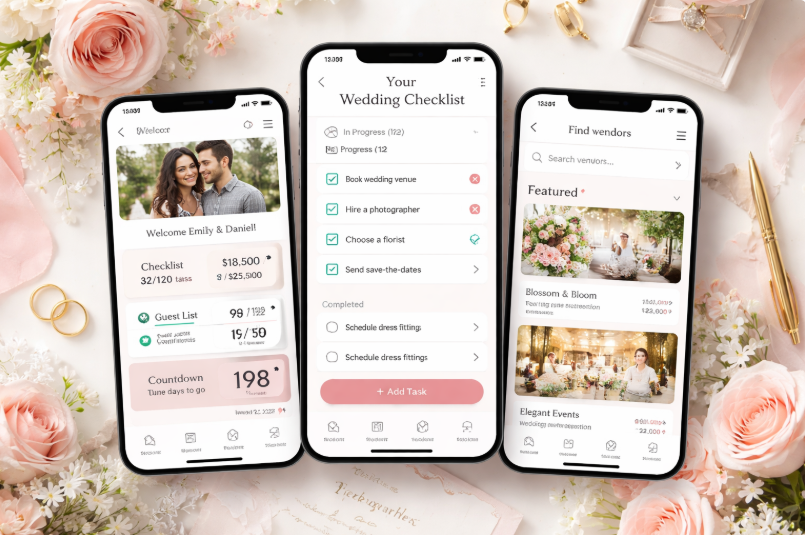
Planning your wedding can be one of the most exhilarating yet daunting experiences in life. For couples who are mindful of their budget and decide to take the DIY route, solo wedding planning provides a fantastic chance to craft a distinctive, cost-effective celebration. With the right strategies, a few handy tools, and a sprinkle of creativity, you can design a day that truly reflects your unique love story—all without emptying your wallet. This guide offers you essential tips and insights to make your solo wedding planning journey a success.
Understanding Solo Wedding Planning
When we talk about solo wedding planning, we’re referring to taking charge of your wedding preparations without relying on a professional planner. This hands-on approach lets couples maintain complete control over every detail, from budgeting to design choices. While it might feel a little overwhelming at first, you’ll find that, with the right resources—like DIY wedding planning apps and budget management tools—you can pull off a smooth and unforgettable event.
Budget Wedding Tips
One of the toughest parts of solo wedding planning is keeping your spending in check. Here are some practical tips to help you stay on budget:
Smart Budgeting Strategies
- Set a Realistic Budget: Start by outlining a budget that realistically covers all aspects of your wedding. Utilize budget management tools to track your expenses and adjust as you go.
- Prioritize Your Spending: Identify which elements matter most and allocate more funds accordingly—whether it’s the venue, catering, or photography.
- DIY Decor: Create your own decorations to save money while adding a personal touch your guests will love.
DIY Wedding Ideas
Planning your own wedding opens a world of creativity. Here are some DIY ideas to spark your imagination:
Creative DIY Inspiration
- Personalized Invitations: Design and print your own invitations to save costs and showcase your personality.
- Homemade Treats: Bake your own wedding cake or desserts for a charming, budget-friendly touch.
- Unique Venues: Choose non-traditional venues like parks or backyards for lower costs and a cozy atmosphere.
Wedding Planning Timelines
Staying organized is key to a stress-free planning experience. A clear timeline helps keep everything on track:
Sample Planning Timeline
- 12–9 Months Before: Create a checklist, book your venue, draft your guest list, and secure key vendors.
- 8–6 Months Before: Focus on invitations, decor, attire selection, and fittings.
- 5–3 Months Before: Finalize the guest list, send invitations, and confirm vendor details.
- 2–1 Months Before: Review the budget, schedule payments, and conduct a final venue walkthrough.
Stress-Free Planning Strategies
Solo wedding planning can be demanding, but these strategies can help reduce stress:
Keeping the Process Manageable
- Embrace Technology: Use wedding planning apps for checklists, budgeting, and vendor tracking.
- Delegate Tasks: Ask friends or family to help with specific responsibilities when needed.
- Take Breaks: Schedule downtime to recharge and maintain your well-being.
Creating a Personalized Wedding Experience
One of the greatest benefits of solo wedding planning is crafting a celebration that truly reflects you as a couple.
Making Your Wedding Unique
- Incorporate Meaningful Traditions: Include rituals or customs that reflect your relationship.
- Choose Customizable Elements: Opt for decor and attire that can be tailored to your style.
- Focus on Guest Experience: Add thoughtful touches like personalized seating or interactive activities.
Conclusion
Embarking on the journey of solo wedding planning is both empowering and rewarding. With thoughtful budgeting, creative DIY ideas, and smart planning tools, you can design a meaningful and budget-friendly wedding that truly represents your love story. Embrace the process, enjoy the creativity, and remember—the heart of your wedding lies in the love you share.