Sometimes the deepest trauma comes from the words that should never be heard.
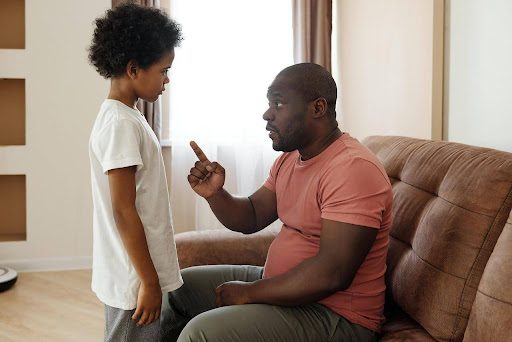
In Katherine Lynn’s United We Stand, a fourteen-year-old named Jeff Hoffman stands quietly inside his bedroom door and hears his father say, “You should have gone through with the abortion.” His mother agrees. No screaming. No violence. Just the truth that he was never wanted.
He doesn’t cry out. He doesn’t knock over furniture or run away. He just… folds.
This is how it often begins, not with fists, but with phrases, not with abuse, but with absence. When a child’s worth is questioned by the people who gave them life, they begin doubting themselves, neglecting themselves, and depriving themselves of happiness.
When Love Is Missing at Home
Jeff’s story mirrors the emotional reality of many children. He’s shy, awkward, and bullied at school, but the biggest blow came from his own family, in a house where he’s physically present but emotionally invisible.
There’s no hug when he walks in the door. No “I’m proud of you.” And now, there’s no doubt that his existence is seen as a mistake.
Jeff’s devastation leads him to hold a knife to his throat and pills in his palm, not out of rage but out of resignation. Such pain cannot be easily spotted on a child’s face. But it manifests in their posture, heavy eyes, social anxiety, and, eventually, a sense of self.
How Parental Approval Impacts a Child’s Identity
Children form their identities from what they are shown. When a parent gives approval, it creates confidence. When a parent gives disapproval—or worse, indifference—it plants seeds of shame.
Jeff writes in his journal: “Why should I live? Why? I’ll never be liked, loved, or accepted—not even by my parents.”
Although he is a fictional character, Jeff is heartbreakingly familiar. Parental disapproval, whether through harsh words, cold silence, or unrealistic expectations, tells a child: you are not enough. And once they believe that, they stop trying to be anything at all.
The Effect of Being Seen
Hope enters Jeff’s world not through therapy or parental change, but through a friend, Latrelle Travis, a popular basketball player who treats Jeff like he matters. Latrelle’s attention becomes the first true light in Jeff’s life.
This is where Jeff realizes that healing does not mean fixing the broken, but acknowledging the pain. In being chosen by someone who doesn’t have to love you, but decides to care anyway.
What We Can Learn
Some kids don’t lash out when they’re hurting. They pull inward. They stay quiet.
“You were a mistake” is a sentence no child should ever carry. “I’m proud of you” is one they should never stop hearing. Even if it is one voice, it is enough to save someone. Jeff was ready to give up on life, but one friend made him believe again. Therefore, never underestimate the power of showing up.
Be the coach, the teacher, the neighbor, the Latrelle. Be the one who says: I see you. You are not invisible. You were not a mistake.
Because while parental disapproval can break a child’s heart, human connection can help it beat again.
Read United We Stand by Katherine Lynn, here.