
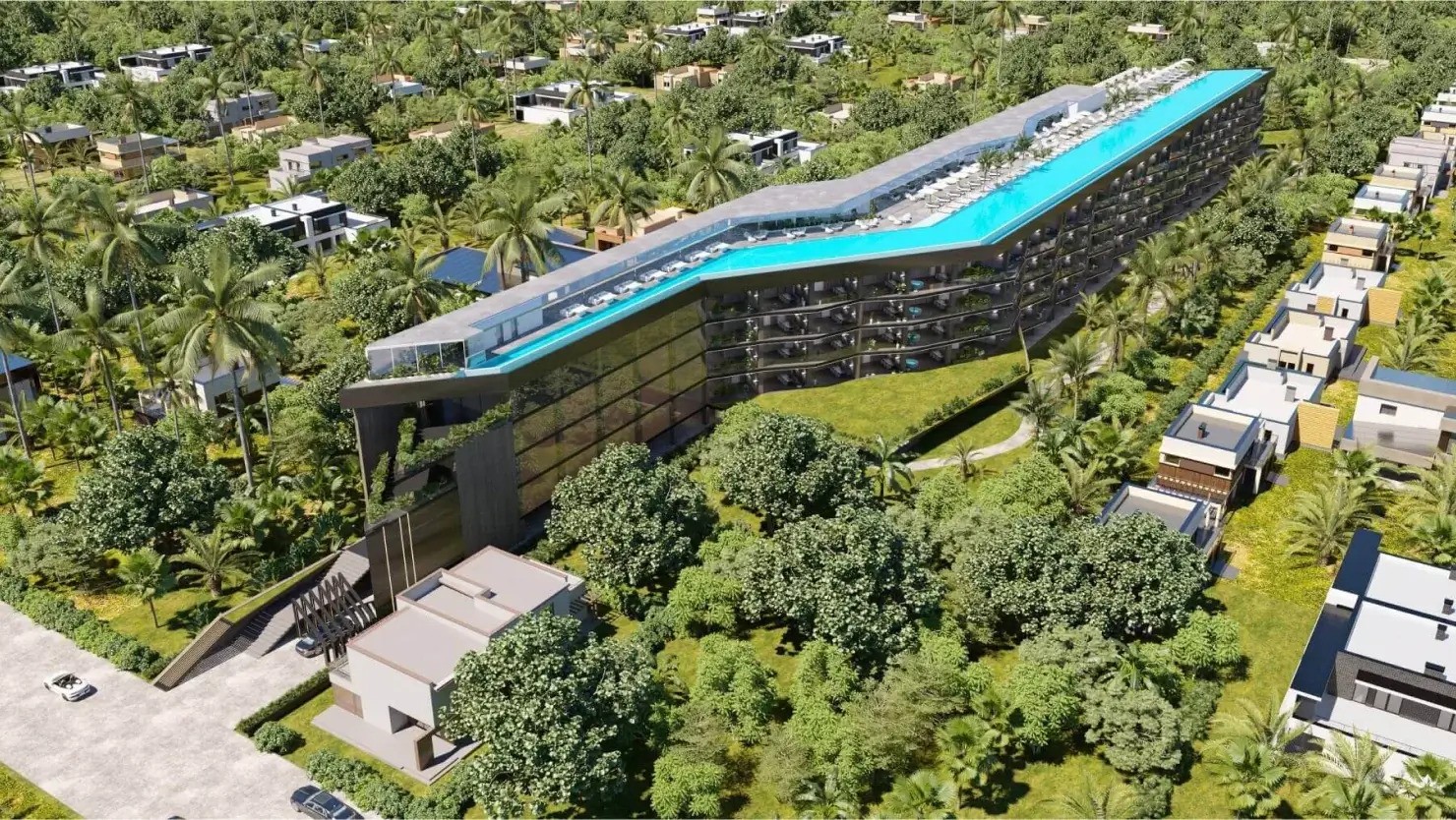
Buying a resort for sale in Bali is a dream for many investors and entrepreneurs. With its world-class tourism appeal, year-round demand, and strong rental yields, Bali has become one of Southeast Asia’s most attractive hospitality investment destinations. However, purchasing a resort here is not the same as buying property in your home country. It requires careful planning, local knowledge, and a structured approach.
Step 1: Understand Why Bali Is a Strong Resort Investment Market
Before searching for a resort for sale in Bali, it’s important to understand what makes this market unique.
Bali attracts millions of international tourists each year, including digital nomads, luxury travelers, wellness tourists, and long-stay visitors. Popular areas such as Canggu, Ubud, Seminyak, Uluwatu, and Nusa Dua consistently show high occupancy rates.
Key advantages include:
- Strong tourism-driven rental demand
- Competitive property prices compared to other global resort destinations
- High potential ROI from short-term rentals
- Growing interest in boutique and eco-resorts
Understanding these fundamentals ensures you invest with long-term confidence rather than short-term excitement.
Step 2: Define Your Investment Goals Clearly
Not all resorts serve the same purpose. Before browsing listings, clarify your objectives.
Ask yourself:
- Are you buying for passive income, active management, or resale appreciation?
- Do you want a luxury beachfront resort, a boutique jungle retreat, or a wellness-focused property?
- Will you operate it yourself or hire a professional hotel management company?
Your goals will directly influence location, budget, resort size, and operational strategy. A clear vision helps you filter opportunities efficiently.
Step 3: Choose the Right Location in Bali
Location is one of the most critical factors when buying a resort for sale in Bali.
Each area caters to a different type of traveler:
- Canggu & Seminyak – High demand, lifestyle-driven tourism, strong short-term rentals
- Ubud – Wellness retreats, yoga resorts, cultural tourism
- Uluwatu – Luxury resorts, cliffside views, premium travelers
- Nusa Dua – Established resort zone, family-friendly tourism
- North & East Bali – Emerging markets with lower entry prices and future growth potential
Choose a location that aligns with your target guests and long-term investment strategy.
Step 4: Understand Legal Ownership Structures for Foreign Buyers
Foreign investors cannot directly own freehold land in Indonesia. This is one of the most important steps to understand early.
Common ownership options include:
- Leasehold (Hak Sewa) – The most popular option, typically 25–30 years with extension rights
- Right to Use (Hak Pakai) – Suitable for residential use under specific conditions
- PT PMA (Foreign-Owned Company) – Allows business operation and land usage rights
Each structure has different legal, tax, and operational implications. Choosing the correct one protects your investment and ensures compliance.
Step 5: Set a Realistic Budget (Beyond the Purchase Price)
When buying a resort for sale in Bali, the listed price is only part of the total investment.
Additional costs may include:
- Legal due diligence and notary fees
- Taxes and government charges
- Renovation or refurbishment costs
- Licensing and business permits
- Staff onboarding and operational setup
A detailed financial plan prevents surprises and helps you calculate accurate ROI projections.
Step 6: Conduct Thorough Due Diligence
Due diligence is non-negotiable when buying hospitality property in Bali.
Key checks include:
- Land zoning compliance (tourism zoning is essential)
- Valid land titles and lease terms
- Building permits (IMB or PBG)
- Environmental and operational licenses
- Existing contracts with staff or operators
Working with trusted local professionals ensures transparency and reduces legal risk. A reputable developer or agency such as Magnum Estate can assist buyers with verified resort listings and structured acquisition support.
Step 7: Evaluate the Resort’s Business Performance
A resort is both real estate and a business. Do not rely on visuals alone.
Review:
- Historical occupancy rates
- Average daily rates (ADR)
- Operational expenses
- Net income and profit margins
- Online reviews and brand reputation
If the resort is newly built, request realistic revenue projections based on comparable properties in the area.
Step 8: Secure Licenses and Permits
Operating a resort legally in Bali requires several approvals.
Common requirements include:
- Tourism business license
- Accommodation registration
- Tax identification number
- Environmental and safety compliance
Ensuring all licenses are in place protects your business from future disruptions and fines.
Step 9: Finalize the Purchase and Legal Transfer
Once due diligence is complete, the transaction moves toward completion.
This stage includes:
- Signing the lease or purchase agreement
- Registering contracts with a notary
- Making final payments
- Transferring operational rights
Professional legal oversight at this stage is essential to safeguard your investment.
Step 10: Plan Operations and Long-Term Growth
After acquiring your resort, focus on maximizing performance.
Consider:
- Professional resort or hotel management
- Strong online marketing and OTA presence
- Brand positioning and guest experience
- Sustainable practices to attract modern travelers
A well-managed resort in Bali can generate consistent income while appreciating in value over time.
Final Thoughts
Buying a resort for sale in Bali can be highly rewarding when done correctly. With the right location, legal structure, and professional guidance, investors can benefit from strong tourism demand and long-term capital growth.
The key to success lies in research, due diligence, and expert support. Bali remains one of Asia’s most attractive resort investment markets, but only for buyers who approach it with clarity and care.