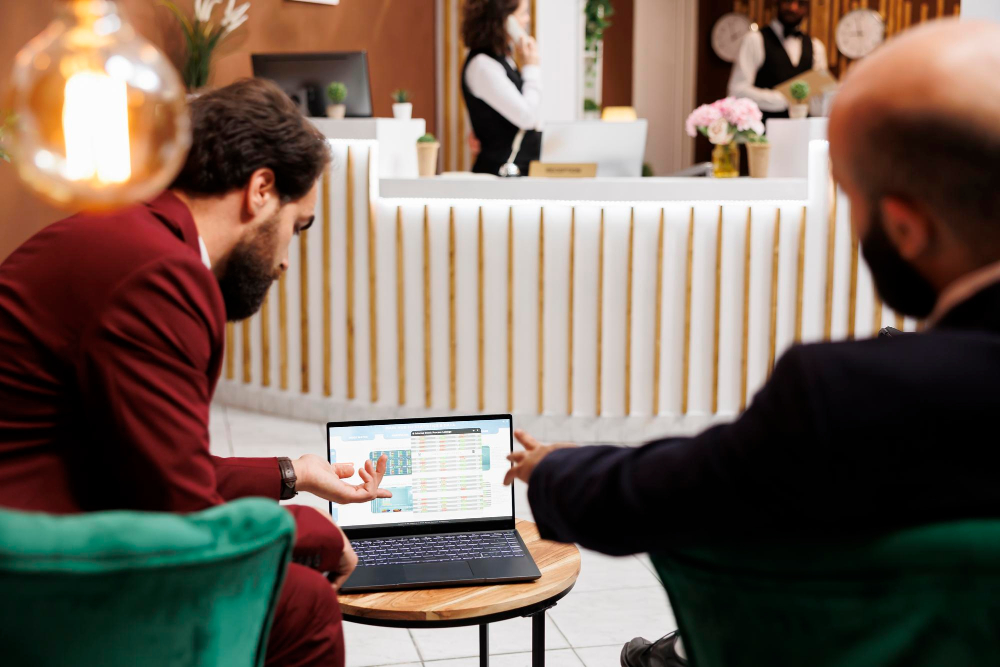
Walk through a large building, and the lighting usually shapes your first impression. A bright lobby feels open and welcoming, while a dim retail aisle makes it harder to browse or move around with confidence. Many commercial properties now pay close attention to lighting because it influences mood, clarity, and even how long people stay in a space.
This blog explores why commercial downlighting works so well in big interiors, how it supports design and comfort, and why businesses keep choosing it when they want efficient, modern lighting that looks great and performs well.
Why Lighting Strategy Matters in Large Spaces
Big interiors need more than general ceiling fixtures and scattered lamps. If the setup is sloppy, you get dark corners, washed-out colors, and areas that feel dull. Good lighting guides your eyes naturally across a room, encourages movement, and brings attention to important zones like service counters or hallways.
Downlights help create a structured lighting plan so your space does not feel flat. When you use layered lighting such as overhead, accent, and task lighting, everything feels balanced. You get clear visibility without feeling flooded by intense brightness.
Visual Appeal and Architectural Cleanliness
A lot of modern commercial spaces lean toward clean ceilings and simple layouts. Bulky fixtures or hanging lamps sometimes look out of place in tall, open areas. Downlights sit flush with the ceiling, giving you a sleek finish that doesn’t distract from the architecture.
They also help highlight design elements without stealing attention. You can brighten textured walls, artwork, plants, and product displays in retail or hospitality settings. That polished, subtle look is what makes these fixtures so popular in hotels, malls, office floors, and large reception areas. Nothing feels cluttered or heavy, just calm and well-arranged lighting.
How Commercial Downlighting Improves Functionality
In a large building, not every spot needs the same brightness. Some areas need task lighting, like reception desks or cashier counters. Others, like hallways or waiting zones, benefit from softer, warm lighting that feels relaxing. Downlights help you shape each zone the way you want.
Beam angles and color temperatures come in different options, so you can adjust the feeling and brightness based on the type of space. Retail stores may choose brighter, cooler tones for product clarity, while office lounges often lean toward warm, soft lighting. This flexibility makes commercial downlighting useful across many industries.
Energy Efficiency and Lower Operating Costs
LED downlights use power more efficiently than older lighting types. They consume less energy, run cooler, and last longer. When you operate a large space, that difference adds up quickly. You cut power bills and reduce the number of bulb changes, which saves labor and maintenance time.
Many facilities run lights for long hours, so the cost-effectiveness matters. And since LEDs don’t fade or flicker as they age, you keep consistent lighting without that dull “end-of-life” color shift you see in older bulbs. Energy savings make commercial downlighting appealing for owners who want modern lighting without high overhead.
Better Comfort for Workers and Visitors
You notice lighting most when it feels uncomfortable. Harsh glare, shadows, or flicker tired your eyes fast. Downlights provide a smooth, balanced glow that feels gentle while still offering enough brightness to work or shop comfortably.
Balanced lighting helps you focus, find products quickly, and stay alert during long work hours. Soft ceilings free of bulky fixtures also feel less stressful visually. If your space supports employees, customers, and guests all day, lighting should keep them relaxed and focused instead of worn out.
Smart Controls and Flexibility
Modern downlighting isn’t just about the fixtures; it also pairs well with smart controls. You can use dimmers, sensors, and timers to adjust brightness based on activity. For example, lights brighten when someone enters a meeting room or hallway and dim during quiet hours to save energy.
This creates a dynamic lighting plan instead of a “lights always on” system. As spaces change, open offices get re-arranged, retail layouts shift, or event spaces host different activities, you can easily adjust the lighting. This adaptability is one reason commercial downlighting stays relevant in evolving workplaces.
Safety and Navigation Benefits
Good lighting helps you move around confidently. In big buildings, clear sightlines prevent bumps, slips, and missed signage. Downlights can highlight paths, corners, and entry points without looking theatrical or overwhelming.
Shoppers see aisles clearly, hotel guests find elevators without guessing, and employees avoid hazards in back-of-house areas. When lighting guides movement naturally, safety feels built-in instead of forced.
Sustainability and Modern Building Goals
Many businesses aim to lower energy use and update buildings with eco-friendly systems. LEDs reduce waste because they last longer and consume less power. This lighting style supports modern efficiency standards and contributes to sustainable upgrades over time.
As green building programs expand, commercial downlighting fits seamlessly into those goals by offering long-term, low-impact performance.
Conclusion
Lighting influences how big spaces feel, function, and support people throughout the day. When you install lighting thoughtfully, each area becomes more welcoming, practical, and comfortable. Downlights bring a clean, modern look while also saving energy and simplifying maintenance.
As technology keeps moving ahead, smarter lighting controls and new LED designs will keep changing how commercial buildings operate. So, choosing high-quality commercial downlighting today sets your space up for a brighter, more flexible future that supports both style and day-to-day work.