Protective gloves play a central role in workplace safety across industries. They guard workers from chemical burns, cuts, punctures, pathogens, heat, cold, and mechanical hazards. As global manufacturing expands and supply chains grow more complex, the need for clear standards becomes even more important. Buyers want confidence, regulators want consistency, and employers want reliable performance. Understanding the requirements behind protective gloves helps companies make smarter decisions and protect their teams with confidence.
This overview mitrasaruta breaks down the major international standards, explains how they apply in real-world settings, and highlights what businesses should look for when selecting high quality protective gloves.
Why Standards Matter in Workplace Safety
Protective gloves are only effective when their performance can be trusted. Standards ensure that trust by defining testing methods, classification levels, labeling rules, and performance thresholds. Without them, two gloves with identical marketing claims could vary widely in protection.
Standards also allow companies to compare products across brands and regions. This is essential for global teams that operate under different regulatory systems. When everyone speaks the same language of protection levels and test results, safety decisions become faster and more reliable.
Key International Standards for Protective Gloves
EN 388: Mechanical Protection
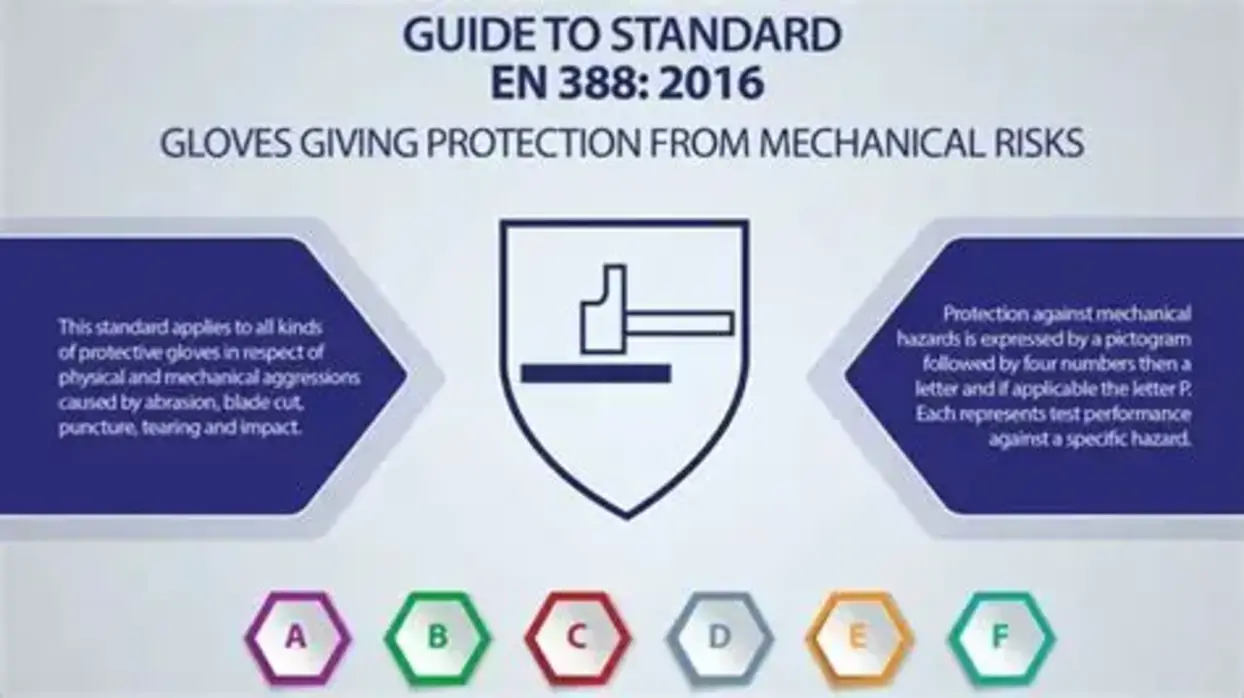
EN 388 is one of the most widely referenced standards for industrial gloves. It covers protection from abrasion, blade cuts, tears, and punctures. Each glove receives a performance rating for these hazards, shown as a numeric code on the label. Higher numbers mean stronger resistance.
The update of EN 388 introduced a new cut test known as ISO 13997. This test provides a more accurate measurement for high cut resistance, especially for gloves that dull traditional blades during testing. For users who work with sharp metal, glass, or tools, the ISO rating is a critical detail.
EN 374: Chemical and Micro-Organism Protection
EN 374 applies to gloves used in laboratories, chemical processing, cleaning, pharmaceutical work, and food handling. It measures permeation time, degradation, and protection against viruses and bacteria.
Gloves are classified into Type A, B, or C based on how many chemicals they can resist for at least 30 minutes. A glove with a Type A label offers broad protection. For industries that handle aggressive solvents or acids, using the right EN 374 rating is essential to avoid skin damage or long-term exposure risks.
EN 407: Thermal Protection
EN 407 covers heat and flame hazards. It includes resistance to flammability, contact heat, convective heat, radiant heat, and molten metal splash. Welders, foundry workers, and operators handling hot equipment rely on this standard to ensure they use gloves built for extreme temperatures.
ANSI/ISEA 105: North American Performance Standard
While EN standards are widely used around the world, ANSI/ISEA 105 is the primary standard in North America. It sets classifications for cut, abrasion, puncture, chemical protection, and heat resistance. ANSI ratings use a numeric scale that ranges from low to high risk levels. This helps users choose gloves based on the exact hazards in their environment.
ISO Standards for Global Consistency
ISO standards support international trade and are often used when companies want uniform guidelines across global operations. ISO 21420, for example, covers general requirements such as sizing, comfort, labeling, and innocuousness. Combined with hazard-specific ISO tests, it ensures gloves are safe for long term wear.
Regulatory Requirements by Region
United States: OSHA and FDA
OSHA sets rules for personal protective equipment in industrial settings. Employers must provide and maintain suitable protective gloves whenever hazards exist. OSHA references ANSI standards when evaluating compliance.
Gloves used in food handling or medical applications must also meet FDA requirements. This includes material safety, cleanliness, and reliable barrier protection.
European Union: The PPE Regulation
In the EU, protective gloves fall under the Personal Protective Equipment Regulation (EU) 2016/425. Gloves must undergo conformity assessments, meet relevant EN standards, and carry a CE mark. Category III gloves, used for high risks such as chemicals or heat, require ongoing quality control and certification.
Asia Pacific and Other Regions
Countries across Asia Pacific reference a mix of local guidelines and international standards. Many follow EN or ISO due to their wide acceptance. As global manufacturing continues to grow in this region, consistent testing and certification practices are increasingly prioritized.
What Businesses Should Look For
Clear Labeling and Certification
Any reliable protective glove should display its test results, performance levels, and certification marks. Missing or unclear labeling is a warning sign.
Fit and Comfort
Protection levels mean little if workers avoid wearing the gloves. Modern designs focus on breathability, ergonomic shaping, and flexible materials that maintain grip without fatigue.
Material Quality
Nitrile, latex, neoprene, aramid fibers, and specialty coatings all behave differently. The right material depends on the hazard profile. High quality products show consistent performance throughout their service life.
Supplier Reliability
Working with a trusted supplier reduces the risk of counterfeit or low grade products. Companies should seek partners that follow global standards, invest in testing, and innovate with new materials and designs.
Final Thoughts
Pabrik sarung tangan: Protective gloves are a frontline defense in workplace safety. Understanding the regulatory requirements and standards that guide their design helps global businesses choose products that truly protect their workers. By focusing on certified performance, proper fit, and reliable suppliers, companies can create safer and more efficient environments while meeting international compliance expectations.